

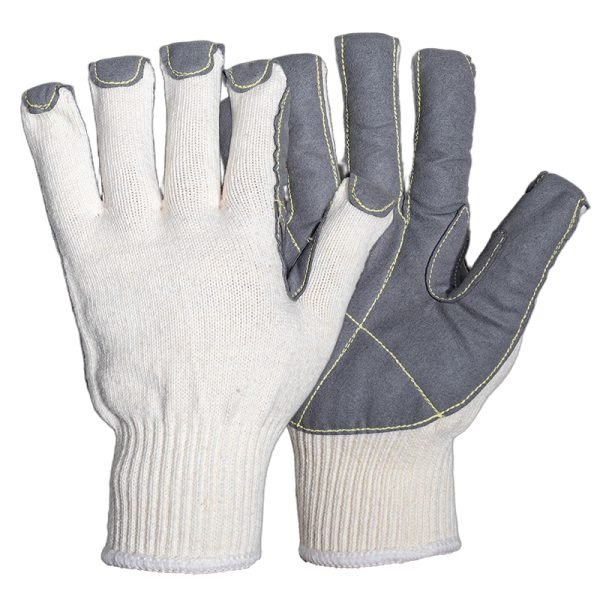
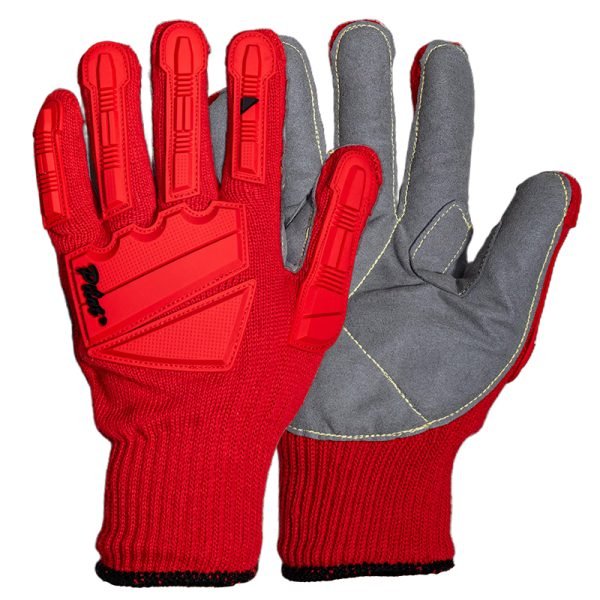
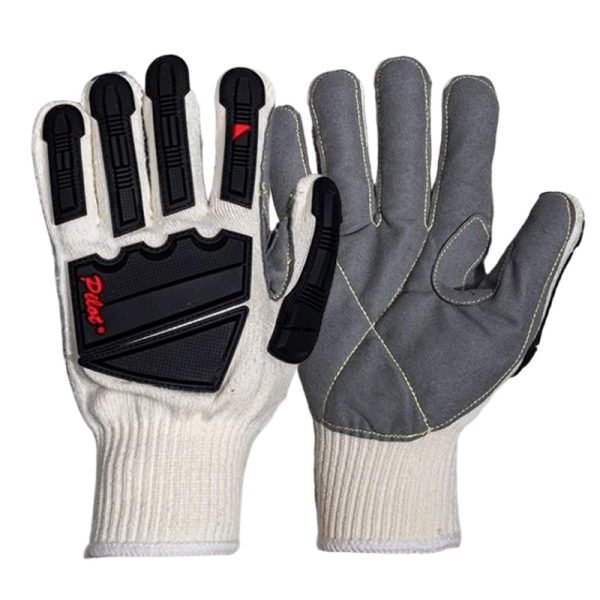
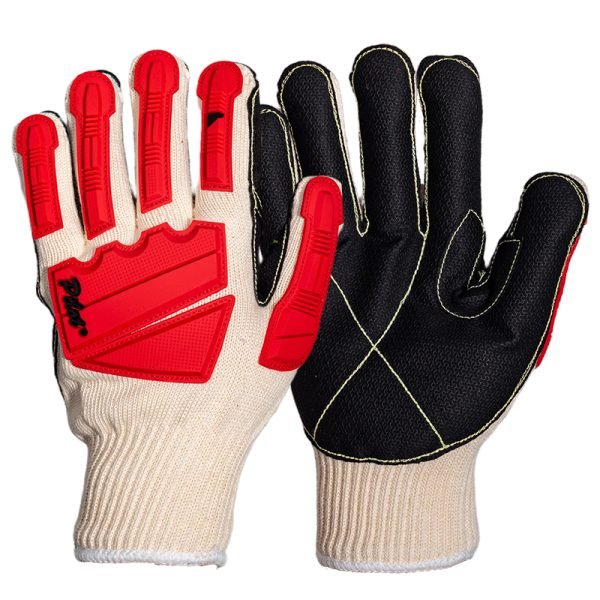
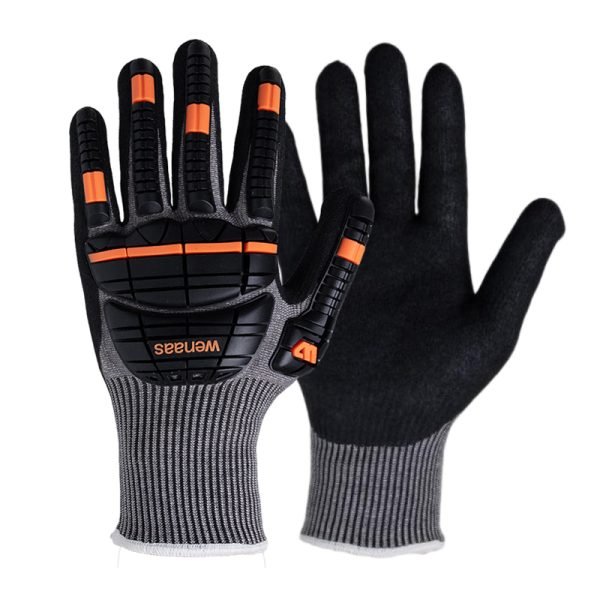
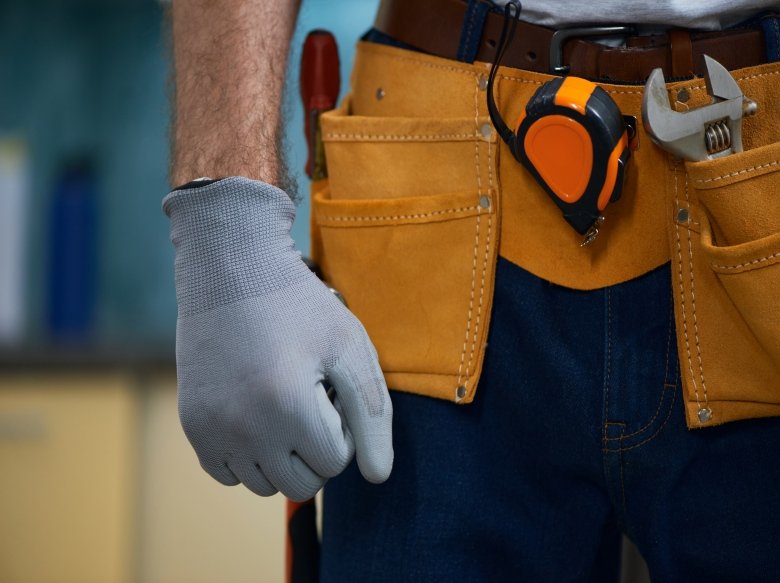
In any workplace, hand safety is a non-negotiable priority. Every year, countless workers suffer from hand injuries due to cuts, abrasions, chemical exposure, or mechanical impacts—many of which could be prevented by wearing appropriate work gloves. As a key piece of Personal Protective Equipment (PPE), work gloves not only safeguard hands but also enhance work efficiency by providing better grip and comfort.
Common Types of Work Gloves and Their Applications
Work gloves come in various materials and designs, each tailored to specific work environments. Here are some widely used types:
– Nitrile Gloves: Resistant to chemicals, oils, and punctures, nitrile gloves are ideal for industries like manufacturing, automotive repair, and laboratory work. They are also a great alternative for those with latex allergies.
– Leather Gloves: Known for durability and heat resistance, leather gloves are commonly used in construction, welding, and gardening. They offer excellent protection against sharp objects and moderate heat.
– Cotton/Cotton Blend Gloves: Lightweight and breathable, these gloves are suitable for light-duty tasks such as assembly work, packaging, and janitorial services. They primarily protect against dirt and minor abrasions.
– Cut-Resistant Gloves: Made from high-strength fibers like Kevlar, these gloves are designed for industries where sharp tools are used, such as food processing, metalworking, and carpentry. They meet strict safety standards to prevent lacerations.
How to Choose the Right Work Gloves
Selecting the correct work gloves requires considering three key factors: work hazards, comfort, and compliance. First, identify the main risks in your workplace—whether it’s chemical exposure, sharp edges, or heavy impacts—to narrow down the material. Second, prioritize comfort and fit: ill-fitting gloves can reduce dexterity and cause fatigue, affecting work performance. Finally, ensure the gloves comply with relevant safety standards, such as ANSI/ISEA for cut resistance, to guarantee reliable protection.
Maintenance Tips for Long-Lasting Gloves
Proper maintenance extends the lifespan of work gloves and maintains their protective properties. Regularly inspect gloves for tears, holes, or signs of wear—discard damaged gloves immediately. Clean gloves according to the manufacturer’s instructions: leather gloves can be conditioned to prevent cracking, while nitrile gloves should be washed with mild soap and dried thoroughly. Store gloves in a cool, dry place away from direct sunlight and chemicals.
Investing in quality work gloves and using them correctly is a small step that makes a big difference in workplace safety. By choosing the right type and maintaining them properly, workers can protect their most valuable tools—their hands.






No comment