

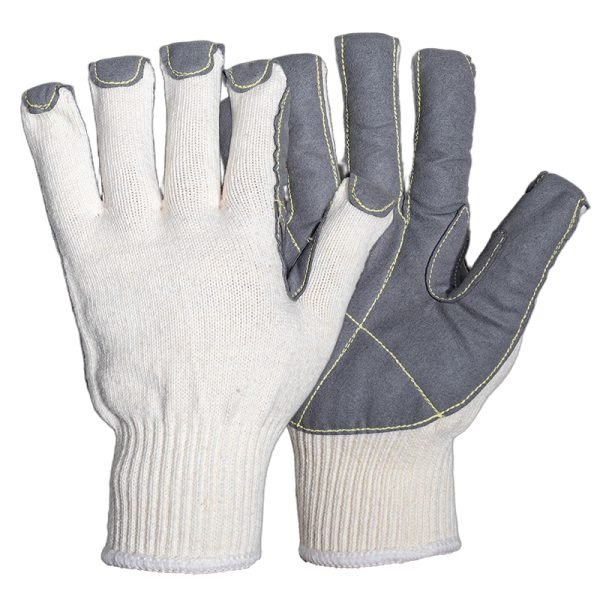
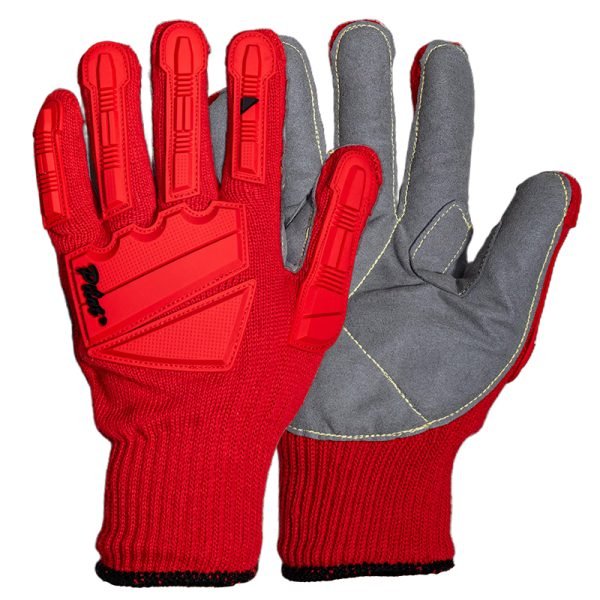
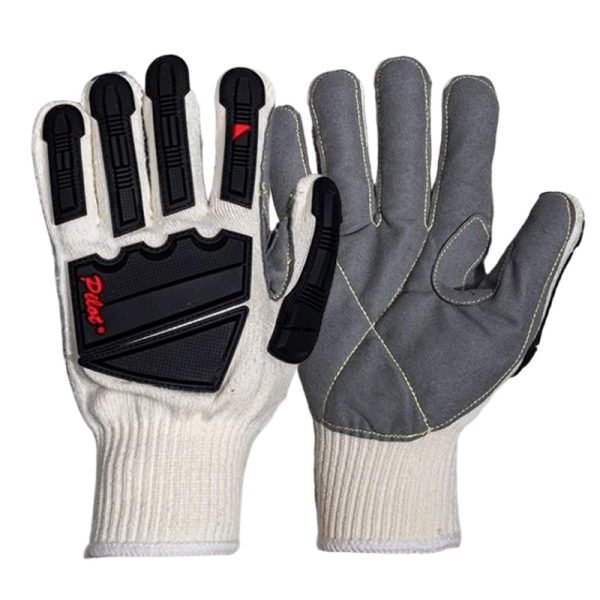
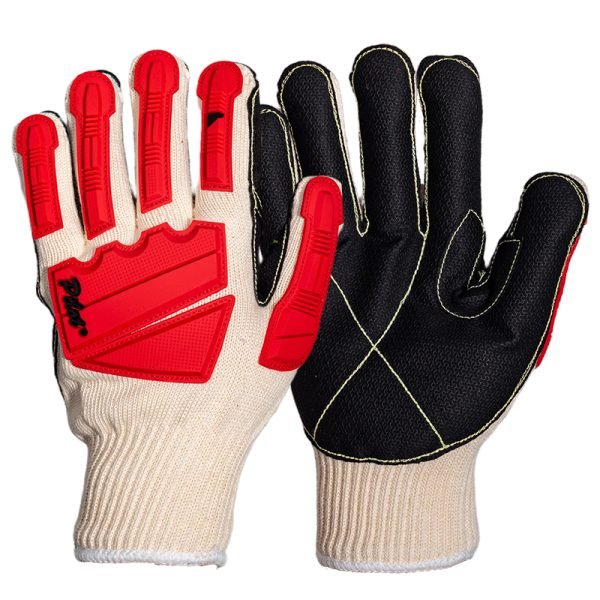
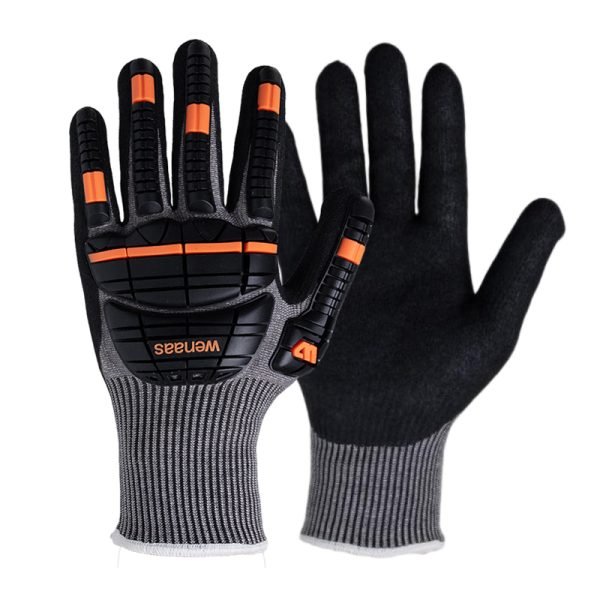
If you’re importing, manufacturing, or sourcing safety gloves for European, UK, or global markets, understanding the EN 388 standard is non-negotiable. As the primary European standard for mechanical hazard protection in work gloves, EN 388 defines how gloves perform against cuts, abrasions, tears, punctures, and impact—critical factors for workplace safety compliance and buyer trust. For instance, cut resistant safety gloves must meet specific EN 388 cut resistance grades to gain compliance and access European markets.
This guide breaks down EN 388 in plain language: its purpose, testing methods, grading system, updated revisions, and real-world application for industries like construction, manufacturing, automotive, and logistics. Whether you’re a safety manager, importer, or B2B buyer, this post will help you interpret EN 388 labels, select the right gloves, and ensure compliance with EU and UKCA regulations—particularly when sourcingindustrial work gloves wholesale for global distribution.
What Is EN 388, and Why Does It Matter?
EN 388 is a European Standard (EN) developed by the European Committee for Standardization (CEN) to specify the performance requirements and test methods for gloves designed to protect against mechanical hazards. First published in 1994, it has been updated multiple times, with the latest revision being EN 388:2016+A1:2018—a critical update that improved cut resistance testing and labeling clarity, particularly for CE marked safety gloves sold in the EU.
For businesses, EN 388 compliance is not just a legal requirement for selling in the EU, UK, and many global markets (including the Middle East, Africa, and parts of Asia). It also serves as a universal language for buyers to compare glove performance, ensuring that the products they purchase provide adequate protection for their workforce. Without EN 388 certification, gloves cannot bear the CE or UKCA mark—essential for market access in Europe and the UK, even for specialized options like food grade safety gloves.
EN 388: Core Test Items & Grading System
EN 388 uses a 4-digit numerical code + optional letter/letter ratings to label glove performance. Each digit (and optional symbol) corresponds to a specific mechanical hazard test, with higher numbers indicating greater protection. Below is a detailed breakdown of each test and its grading:
1. Abrasion Resistance (1st Digit: 1–4)
Abrasion resistance measures how well the glove material resists wear and tear from friction (e.g., handling rough materials, tools, or machinery). The test involves rubbing the glove against an abrasive surface under controlled pressure, with the grade based on the number of cycles required to wear through the material—this is particularly vital for heavy duty work gloves used in construction and metal processing.
- 1: ≤100 cycles (light duty, e.g., office work, light assembly)
- 2: 101–500 cycles (medium light duty, e.g., warehousing)
- 3: 501–2000 cycles (medium duty, e.g., automotive repair)
- 4: >2000 cycles (heavy duty, e.g., construction, metal processing)
2. Cut Resistance (2nd Digit: 1–5 + Letter A–F)
Cut resistance is the most critical test for gloves used with sharp tools, metal edges, glass, or sharp materials. EN 388 uses two complementary tests to ensure accuracy:
- Coup Test (Rotating Blade): Graded 1–5, measuring how many cycles a rotating blade takes to cut through the glove. Higher numbers mean better cut protection.
- ISO 13997 Test (Constant Load): Letter-graded A–F, measuring the force (in Newtons) required to cut through the material. F indicates the highest cut resistance.
Labels will show both the numerical and letter grade (e.g., 5F), ensuring clarity for high-risk applications like glass handling or metal stamping—where high cut resistance gloves are essential to prevent workplace injuries.
3. Tear Resistance (3rd Digit: 1–4)
Tear resistance measures the force needed to tear the glove material once a small cut or puncture has already occurred. This is critical for gloves used in tasks where snags or tears are common (e.g., handling textiles, wood, or sharp edges):
- 1: ≤10 N
- 2: 11–20 N
- 3: 21–35 N
- 4: >35 N
4. Puncture Resistance (4th Digit: 1–4)
Puncture resistance tests the glove’s ability to resist penetration by sharp objects like needles, nails, or metal shavings. The grade is based on the force (in Newtons) required to pierce the material—a key consideration for puncture resistant safety gloves used in logistics and manufacturing.
- 1: ≤20 N
- 2: 21–40 N
- 3: 41–60 N
- 4: >60 N
5. Optional Impact Resistance (Letter P)
For gloves designed to protect against impact (e.g., construction, heavy machinery), EN 388 includes an optional impact test. If a glove passes, it will be labeled with the letter “P” (e.g., 4543 F P).
EN 388 Label Example & Interpretation
A typical EN 388 label might read: EN 388:2016+A1:2018 4543 F P. Here’s what it means:
- 4: Abrasion resistance (heavy duty, >2000 cycles)
- 5: Cut resistance (coup test, highest grade)
- 4: Tear resistance (high, >35 N)
- 3: Puncture resistance (medium-high, 41–60 N)
- F: Cut resistance (ISO 13997 test, highest grade)
- P: Passes impact resistance test
EN 388 Application: Industry-Specific Recommendations
The right EN 388 grade depends on the job’s hazards. Below are common industry use cases to guide your selection, helping you match the correct EN 388 compliant gloves to your specific workplace needs.
- Light Duty (Warehousing, Electronics): EN 388 2131 B – Low abrasion, light cut/tear/puncture protection.
- Medium Duty (Automotive, Assembly): EN 388 4343 D – Balanced protection for general industrial tasks.
- Heavy Duty (Construction, Metal Processing): EN 388 4543 F – High cut, abrasion, and tear resistance for sharp tools and heavy materials.
- High-Risk (Glass, Recycling): EN 388 4544 F P – Maximum cut, puncture, and impact protection.
Key Notes for Importers & Buyers
1. CE/UKCA Marking: Only gloves tested and certified to EN 388 can bear the CE or UKCA mark—ensure your supplier provides a valid test report.
2. Not a “One-Size-Fits-All”: EN 388 only measures mechanical hazards; it does not cover chemical, thermal, or electrical protection (for these, look for EN 374, EN 407, or EN 61140).
3. Updated Revision: Always look for EN 388:2016+A1:2018—older versions (e.g., EN 388:2003) are no longer compliant for EU/UK markets.
Conclusion
EN 388 is the gold standard for mechanical protection in safety gloves, providing a clear, standardized way to measure performance and ensure compliance. By understanding its grading system, test methods, and application guidelines, you can select gloves that protect your workforce, meet legal requirements, and build trust with B2B buyers—whether you’re sourcingwholesale safety gloves or specialized products for niche industries.
Whether you’re sourcing gloves for European markets or global distribution, prioritizing EN 388 certification ensures that your products are safe, reliable, and market-ready.
Call to Action
Need help selecting EN 388-compliant safety gloves for your industry? Contact our team for a free consultation, or download our EN 388 Grade Selection Guide to find the perfect gloves for your specific hazards.







No comment