

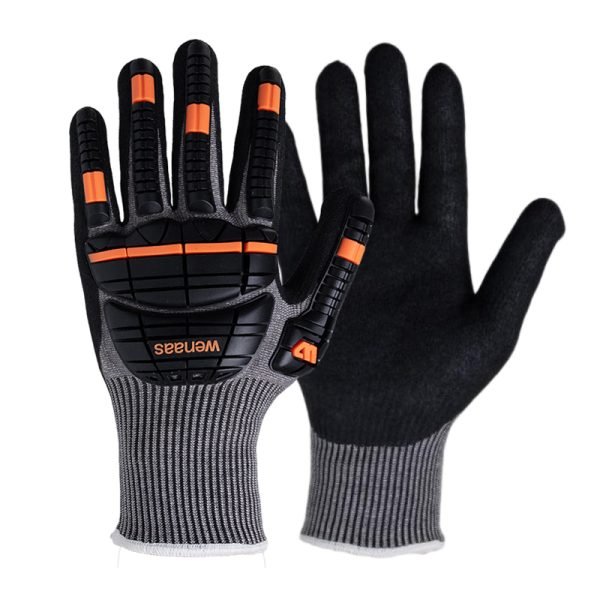

In today’s fast‑paced industrial environment, workplace safety has become one of the top priorities for companies and employees alike. Among all types of personal protective equipment, work gloves play an irreplaceable role in protecting workers from potential injuries. .Without proper hand protection, even simple daily tasks can lead to painful injuries, reduced productivity, and long‑term health problems.
Hand injuries are among the most common workplace accidents worldwide. Many of these incidents are avoidable simply by using high‑quality, job‑appropriate work gloves. However, a surprising number of people still underestimate the importance of choosing the right gloves. Some choose gloves based only on price, while others wear the same type of gloves for every task. This not only reduces work efficiency but also puts workers at unnecessary risk. Understanding the different types, materials, and applications of work gloves is essential for creating a safer and more efficient workplace.
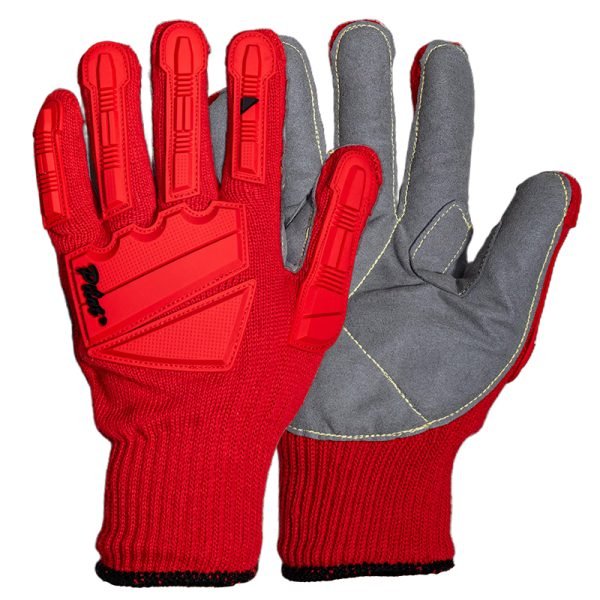
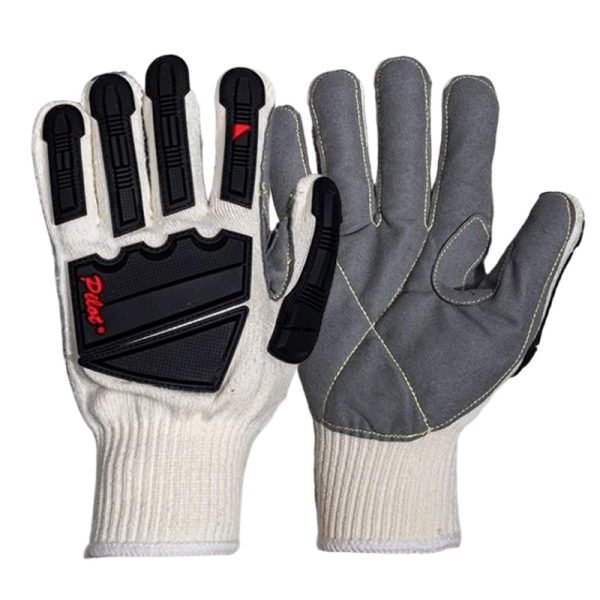
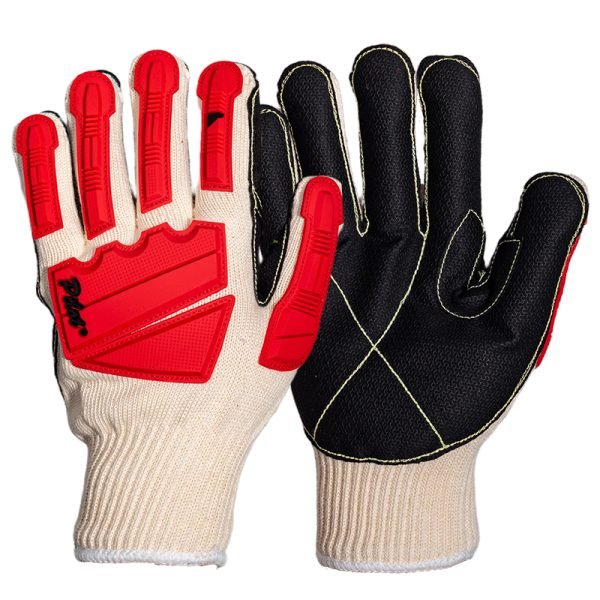
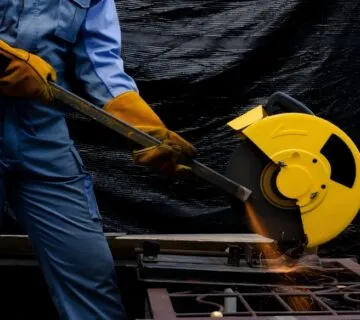
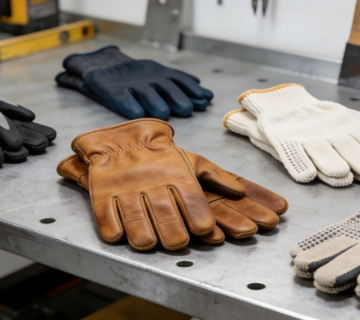
There is a wide variety of work gloves available on the market, each designed for specific working conditions. One of the most popular choices is nitrile gloves, which offer excellent resistance to oil, chemicals, and punctures. They are widely used in factories, workshops, and laboratories, and are a great option for people with latex allergies. Leather gloves, on the other hand, are known for their durability, heat resistance, and strong grip. They are ideal for heavy‑duty work such as construction, welding, and handling rough materials.
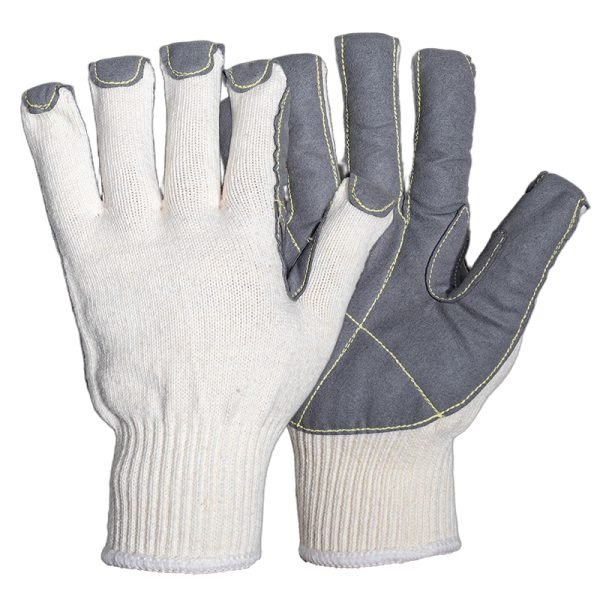
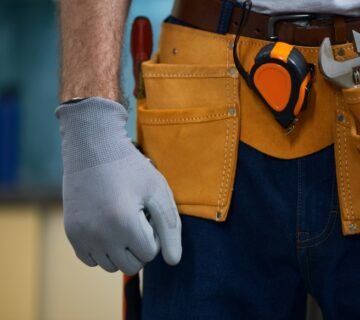
For jobs involving sharp tools or edges, cut‑resistant gloves made from high‑performance fibers provide reliable protection against lacerations. These gloves are commonly used in metal processing, carpentry, and food manufacturing. Lightweight knitted gloves or cotton gloves are suitable for light‑duty tasks such as assembly, packaging, and cleaning. They offer basic protection against dirt and minor scratches while maintaining high flexibility and comfort.
Choosing the best work gloves requires careful consideration of several factors. First, workers must identify the main hazards in their working environment. Different hazards require different levels and types of protection. Second, comfort and fit are extremely important. Gloves that are too tight or too loose can cause discomfort, reduce dexterity, and even affect work quality. Modern safety gloves are designed to balance protection, flexibility, and breathability, allowing workers to perform tasks safely without feeling restricted.
Durability and cost‑effectiveness are also key considerations. High‑quality gloves may cost slightly more upfront, but they last longer and provide better protection, ultimately reducing long‑term expenses. Regular inspection and maintenance can further extend the lifespan of work gloves. Damaged, worn, or torn gloves should be replaced immediately to ensure continuous protection. Proper cleaning and storage also help maintain the performance and hygiene of the gloves.
For businesses, providing high‑quality work gloves is more than just a safety requirement—it is an investment in employee well‑being and operational efficiency. When workers feel safe and protected, they are more focused, productive, and motivated. Good safety practices also help companies comply with occupational health and safety regulations, reduce accident rates, and improve overall reputation.
In conclusion, work gloves are an essential part of modern workplace safety. They protect hands from injuries, improve grip and control, increase comfort, and enhance overall work performance. By understanding the different types of work gloves and selecting the right pair for each task, both individuals and companies can create a safer, healthier, and more efficient working environment.
Remember: safety starts with the right protection, and your hands deserve the best care possible.




No comment