

When it comes to workplace safety, your hands are on the front lines. From construction sites and manufacturing floors to laboratories and gardens, they’re exposed to countless hazards every day. That’s why selecting the right pair of safety gloves isn’t just a box-ticking exercise—it’s a critical decision for preventing injuries and ensuring productivity.
Why Gloves Matter More Than You Think
Hand injuries are among the most common workplace incidents, but the vast majority are preventable with proper protection. A good pair of safety gloves acts as a barrier against cuts, abrasions, chemicals, heat, cold, and electrical hazards. The key is matching the glove to the specific risk.
Common Types & Their Superpowers
Not all gloves are created equal. Here’s a quick breakdown of major types:
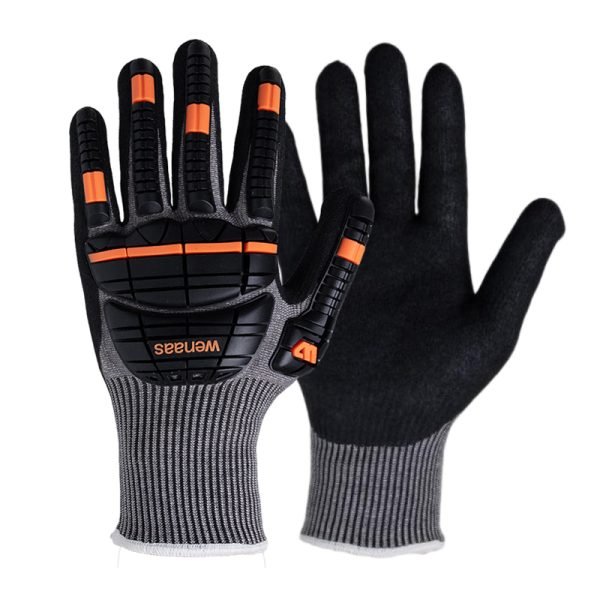
Cut-Resistant Gloves:Made from high-performance fibers like Kevlar®,or stainless steel mesh. Essential for handling sharp metals, glass, or blades.
Chemical-Resistant Gloves:Typically made from nitrile, neoprene, PVC, or latex. The material choice depends on the specific chemical being handled—always check compatibility charts!
Disposable Gloves:Lightweight nitrile, vinyl, or latex gloves protect against minor contamination, oils, and biohazards. Perfect for food service, labs, or light cleaning.
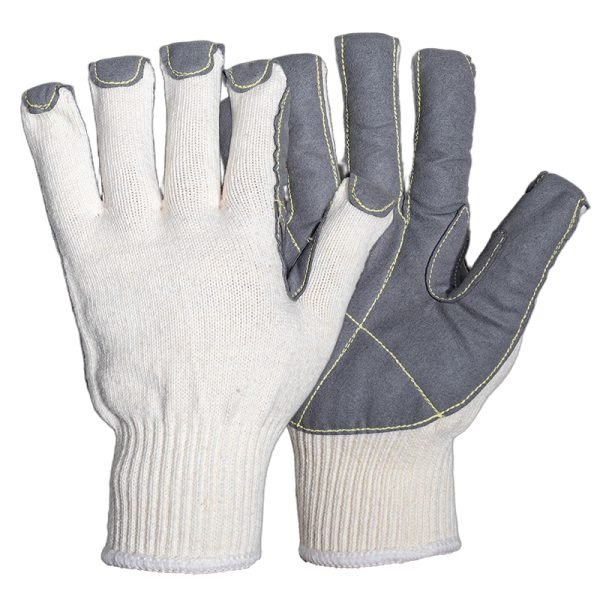
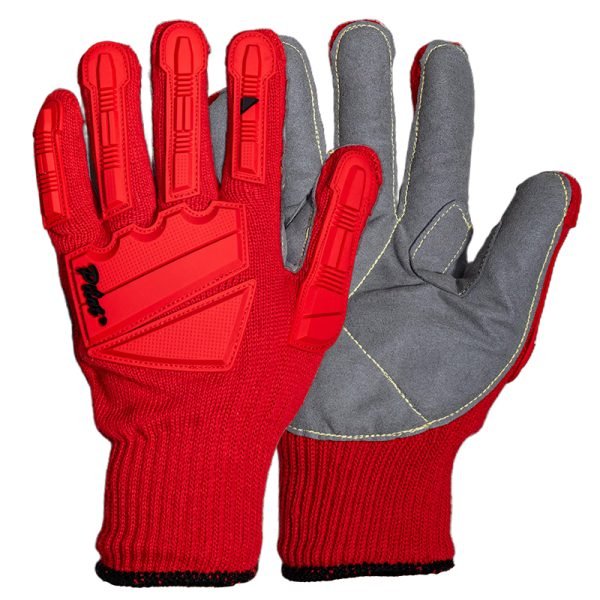
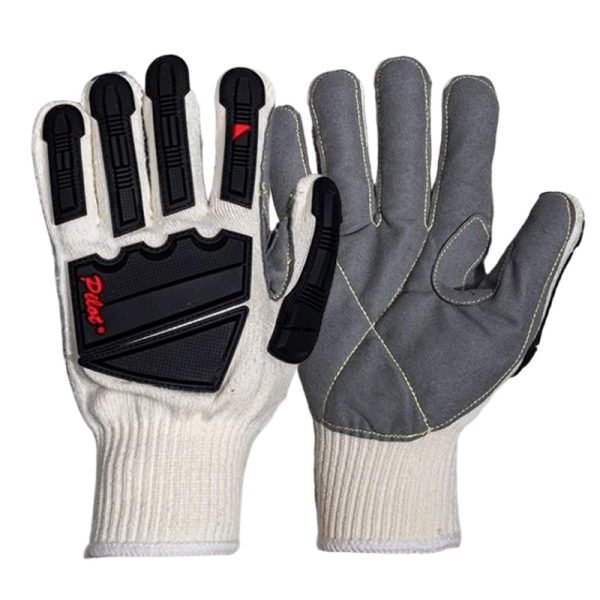
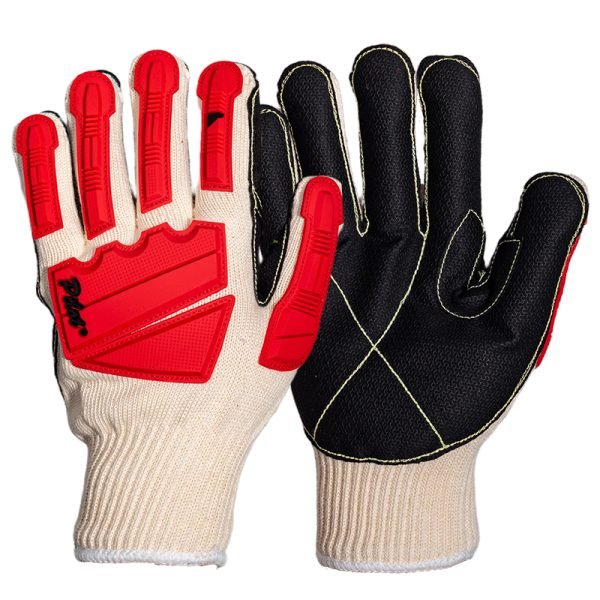
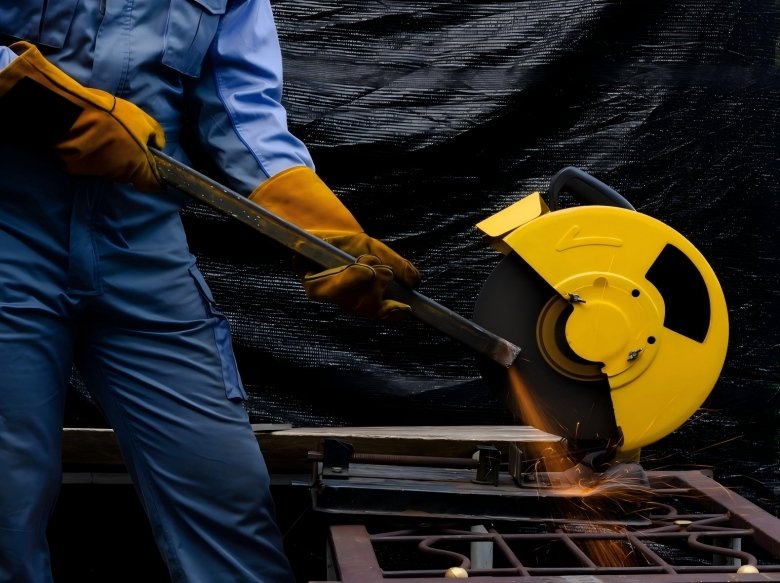
General-Purpose & Leather Gloves:Your go-to for construction, warehousing, or material handling. Cowhide or goatskin leather offers excellent abrasion and puncture resistance.
Specialized Gloves:This category includes heat-resistant gloves for welding, anti-vibration gloves for power tools, and insulated gloves for extreme cold.
How to Choose: It’s All About the Fit (and the Hazard!)
1.Hazard Assessment First:Always identify the primary danger. Is it a sharp edge, a corrosive liquid, or extreme heat? Never assume one glove does it all.
2.Check the Standards:Look for certifications like EN 388 (mechanical risks), EN 374 (chemicals), or ANSI/ISEA standards in the US. The performance ratings (e.g., cut level A-F) are your best guide.
3. Fit is Functional:A glove that’s too loose can snag, while one that’s too tight reduces dexterity and causes fatigue. Ensure a snug, comfortable fit across the fingers and palm.
4.Grip & Dexterity:Consider textured surfaces (nitrile dots, rubber coatings) for handling oily or wet objects. Thinner materials offer better touch sensitivity for detailed work.
5.Durability vs. Comfort:Find the balance. A heavy-duty glove might last longer, but if it’s too cumbersome, workers might avoid wearing it. Comfort encourages compliance.
Pro-Tip: Care & Maintenance
Safety gloves aren’t forever. Inspect them regularly for signs of wear, tears, swelling, or degradation—especially chemical-resistant ones. Most reusable gloves can be cleaned according to the manufacturer’s instructions to extend their life. When in doubt, throw them out.A compromised glove offers false security.
Final Thought
Investing in the right hand protection is an investment in your team’s well-being and efficiency. By taking the time to assess risks and choose wisely, you empower everyone to work more safely and confidently.
What’s your biggest challenge when choosing work gloves? Share your thoughts in the comments below!






No comment