

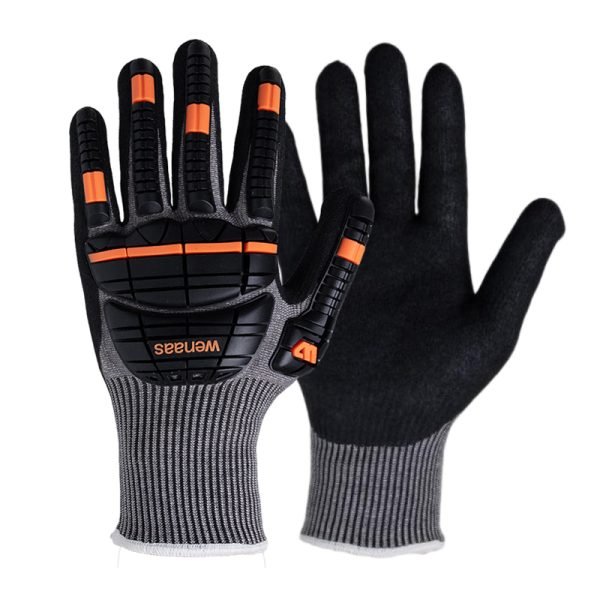
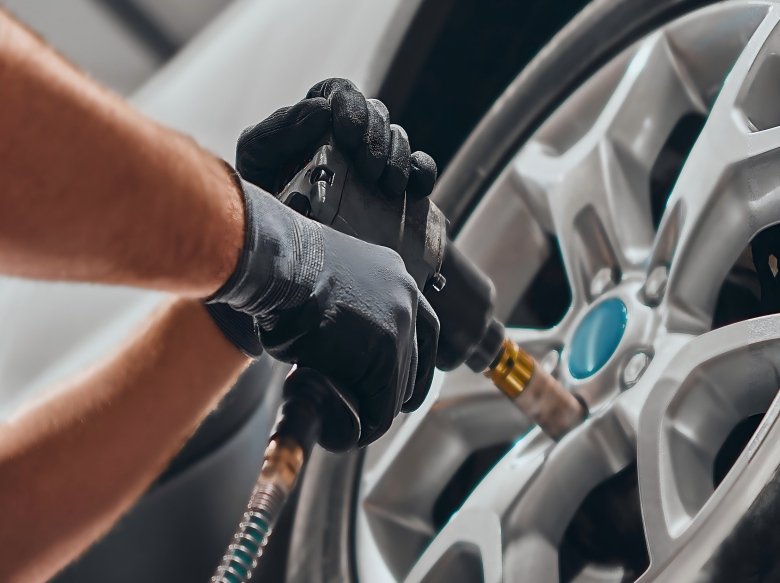
You’ve invested in high-quality safety gloves for your team. That’s a great first step! But here’s the reality: even the best glove can fail if it’s not used correctly. The gap between having protection and being protected often comes down to common, overlooked mistakes.
Let’s tackle five frequent errors that compromise hand safety.
Mistake #1: The “One Glove for Everything” Mindset
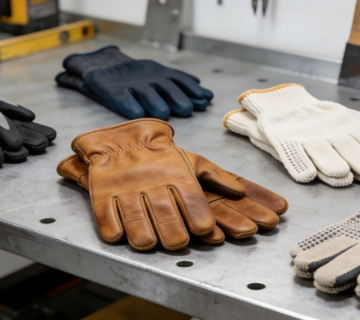
This is perhaps the most widespread issue. Using the same general-purpose glove for handling solvents, sharp metal, and hot objects is a recipe for disaster. The fix? Implement a clear glove selection chart matched to specific tasks. A chemical-resistant nitrile glove won’t protect against a box cutter, just as a cut-resistant glove will degrade rapidly when exposed to certain acids.
Mistake #2: Ignoring the Fit
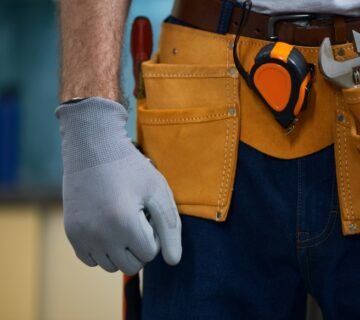
A glove that’s too large creates folds that can catch on machinery and reduces grip strength. A glove that’s too tight restricts blood flow, causes fatigue, and numbs sensation. The fix? Provide a range of sizes (S-XXL) and ensure workers know how to properly size them. The glove should fit snugly like a second skin, with no excess material at the fingertips.
Mistake #3: Forgetting About Contamination (The Inside Job)
Think about it: you handle a contaminated surface, then adjust your glasses or grab a snack. Cross-contamination can happen easily if you don’t remove gloves properly. The fix? Train on safe doffing techniques. Pinch one glove at the wrist (without touching your skin) and peel it off inside out. Hold it in your gloved hand, then slide fingers under the wrist of the remaining glove to remove it, also inside out.
Mistake #4: Overlooking Wear and Tear
Gloves are consumable items, not permanent armor. Small cuts, thinning material, swelling, or a change in texture are all red flags. A compromised glove can give a dangerous false sense of security. The fix? Make pre-use inspections a mandatory habit. Encourage a “See something, say something, replace something” culture. It’s cheaper to replace a glove than to treat an injury.
Mistake #5: Skipping the Training
Handing out gloves is not enough. Workers need to know why a specific glove is required, its limitations, and how to care for it. The fix? Conduct regular, toolbox-style training sessions. Show real-world examples of glove failures, demonstrate proper fit, and review Material Safety Data Sheets (MSDS/SDS) for chemical handling.
The Bottom Line:
True hand protection is a process, not just a product. It combines the right glove for the job with the right knowledge and consistent habits. By addressing these common pitfalls, you move from simply complying with rules to actively building a culture of safety—where everyone goes home with their hands as healthy as they arrived.
Have you spotted any other glove mistakes on the job? Share your experiences to help others stay safe!


No comment